





QLAB – Center for Hybrid Quantum-Classical Information Technologies
We believe that the future of computing, precision measurements, and secure communication lies in synergy. The QLAB project, established as an innovative research unit of the University of Warsaw, was born out of the need to bridge the gap between theoretical quantum physics and market commercialization.
Our goal is clear: to build a cohesive research and deployment ecosystem. We focus on creating interoperable technologies capable of collaborating with classical ICT networks today. We develop loss-tolerant quantum communication protocols, hybrid interfaces, and advanced photonic circuits. We also advance quantum imaging methods for medicine and industry, as well as neuromorphic algorithms (inspired by the human brain) dedicated to modern NISQ platforms.
A Comprehensive Innovation Loop
To effectively translate science into tangible technological demonstrators, our work at QLAB is driven by a cohesive “innovation loop.” This encompasses the entire process—from the development of pure theory and algorithms, through the construction of proprietary photonic hardware, to final real-world applications.
Our activities are divided into four specialized Research Groups; a detailed description of their operational areas can be found on the Research Groups page.

Quantum-Safe Communication
Led by Prof. M. Stobińska, we develop solutions for quantum communication and the quantum internet. We investigate the Entropy Accumulation Theorem (EAT) and security proofs. We design hybrid quantum and post-quantum cryptography systems tailored for wide-area networks and critical infrastructure.

Quantum Communication Infrastructure and Photonic Information Processing
Led by Dr. M. Karpiński, we engineer advanced photonic components and integrate them with both quantum and ICT systems. Our work involves developing highly efficient quantum light sources, advanced detection technologies, and programmable circuits, alongside testing protocols in real-world environments.

Quantum Imaging and Metrology
Led by Dr. R. Łapkiewicz, we advance multimode photonic platforms that surpass classical limits in imaging and metrology. We pioneer novel techniques, such as super-resolution microscopy. The outcome of our research will be quantum microscopy systems for biomedical and industrial applications.

Quantum Computing and Artificial Intelligence
The team focuses on hybrid quantum algorithms and innovative computing paradigms, including neuromorphic systems and generative models. We optimize algorithms specifically for NISQ architectures. The outcome of our research will be energy-efficient software and advanced photonic processors.
Team and Leadership
QLAB’s greatest strength is its people—an interdisciplinary team of experts combining scientific passion with business acumen. The center is led by Dr. hab. Magdalena Stobińska-Moretto, University Professor.
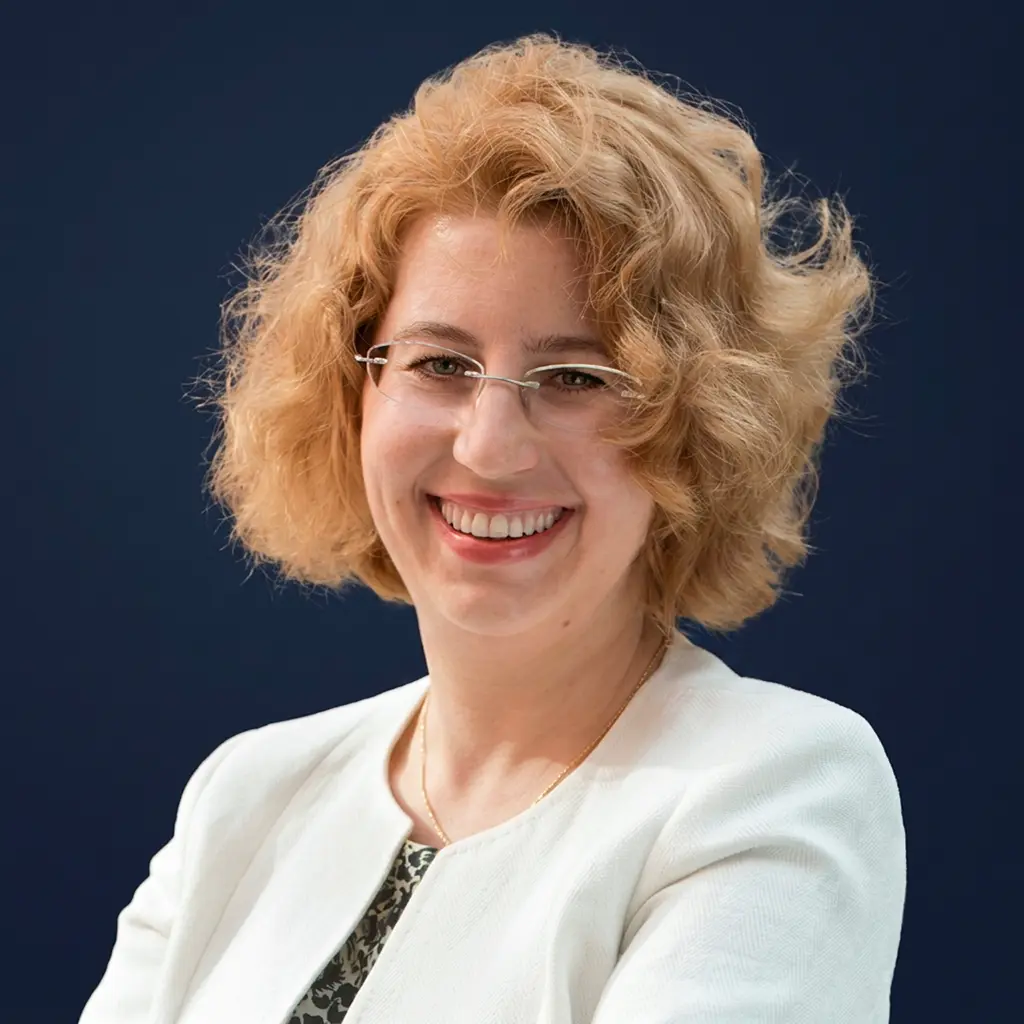
Magdalena Stobińska-Moretto, Ph.D., D.Sc.
Dr. hab. Magdalena Stobińska-Moretto is a professor at the Faculty of Physics, University of Warsaw, where she leads the Quantum Information Technologies Research Group, and the CEO of the deep-tech startup levelQuantum. She specializes in quantum information processing—from communication to computing. She is an Alexander von Humboldt Fellow and a recipient of prestigious awards, including Forbes Women Poland’s “100 Women of the Year 2023” and the Financial Times’ “100 Women in Tech in Europe 2025”. She is also an alumna of the NATO DIANA accelerator program.
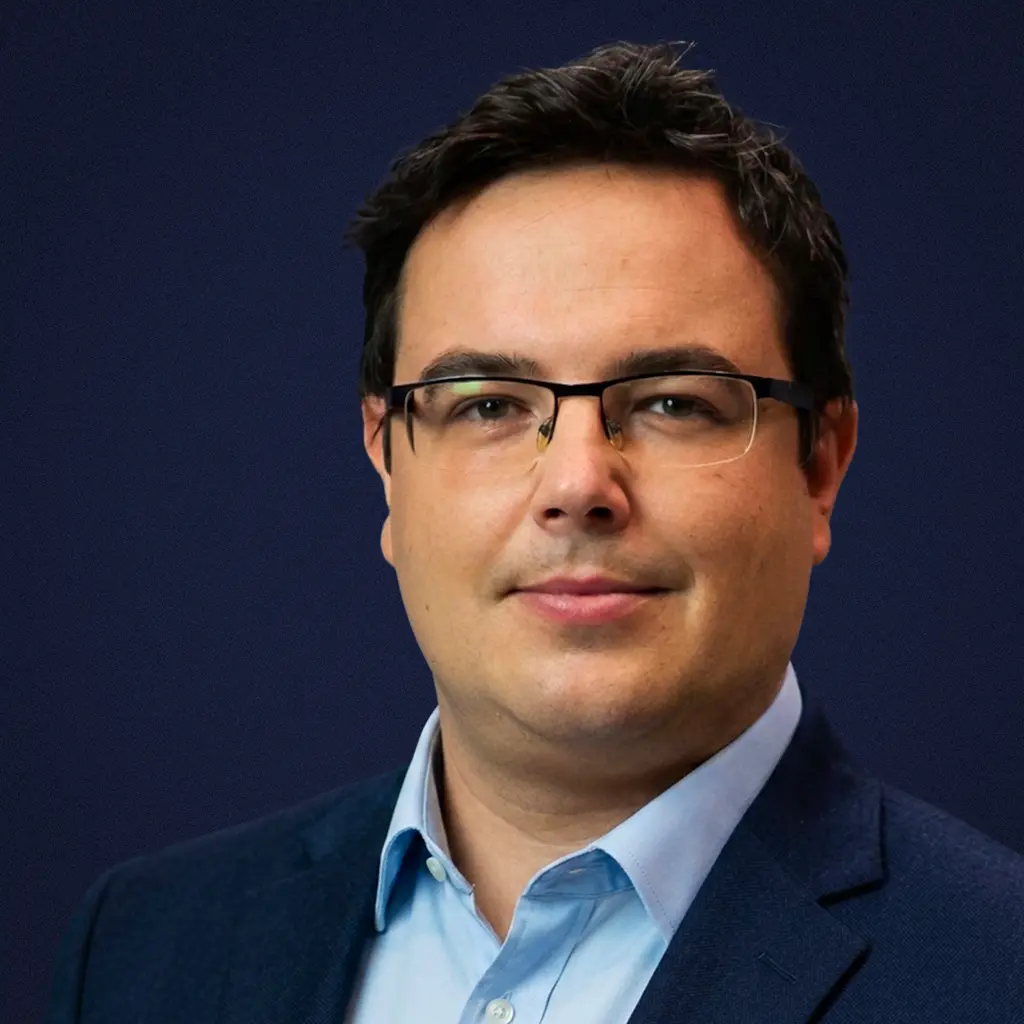
Michał Karpiński, Ph.D.
Dr. Michał Karpiński is an assistant professor at the Faculty of Physics, University of Warsaw, where he successfully leads the Quantum Photonics Laboratory. After completing his PhD at the University of Warsaw, he undertook a prestigious postdoctoral fellowship at the University of Oxford as a Marie Curie Fellow. He is an expert in experimental quantum optics, known for the first demonstration of deterministic time lenses. He coordinates key research projects, including TEAM (FNP) and the international QuICHE consortium.
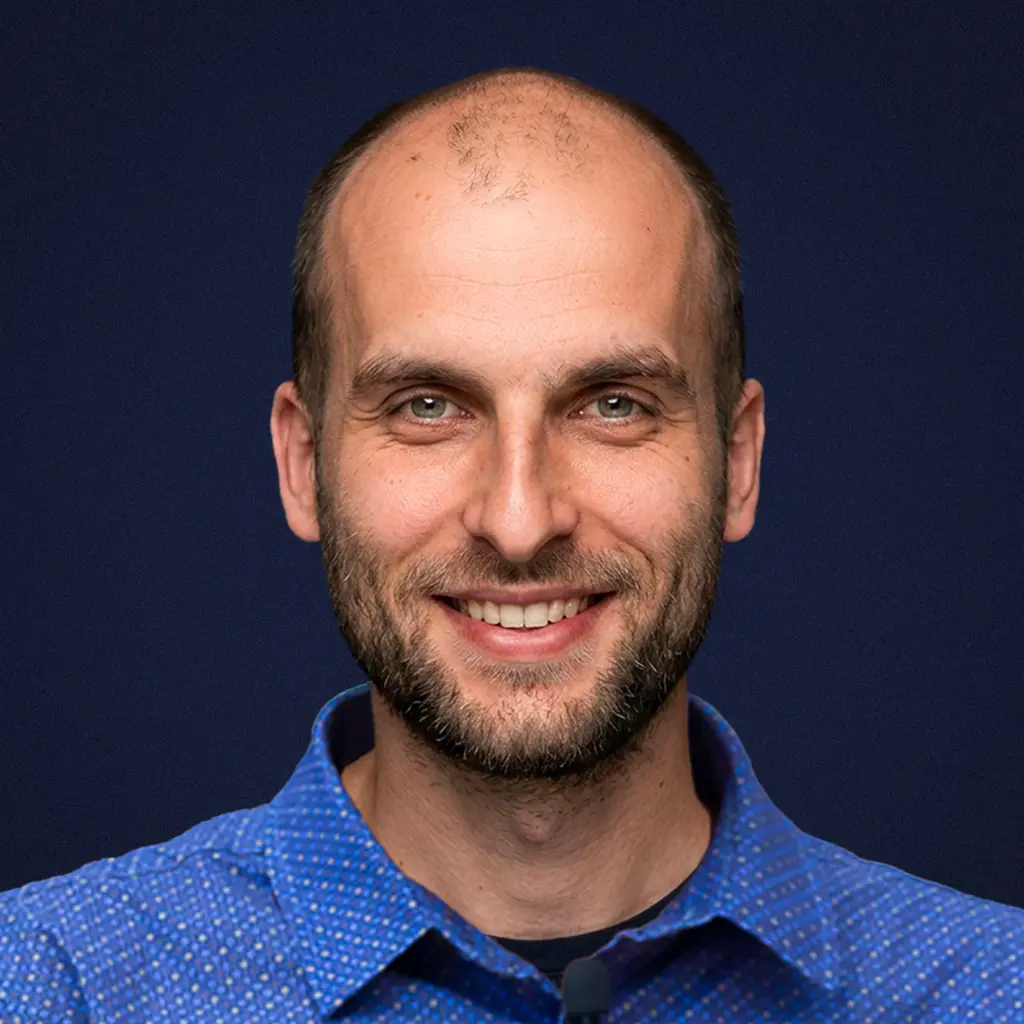
Radosław Łapkiewicz, Ph.D.
Dr. Radosław Łapkiewicz is an assistant professor at the Faculty of Physics, University of Warsaw, where he has directed the Quantum Imaging Laboratory since 2015. He earned his PhD studying entangled photons at the University of Vienna in the group of Prof. Anton Zeilinger. His research focuses on the use of quantum effects in advanced imaging, including super-resolution microscopy. He successfully leads research projects funded by the FNP and NCN, and is a recipient of the Ministry of Science and Higher Education scholarship.
International Scientific Committee
To ensure the highest global standard of research and the optimal direction of development, substantive supervision of the project is provided by the 10-member International Scientific Committee. It comprises distinguished representatives of the global academic community and experts from leading technology centers, who support QLAB with their knowledge and strategic advisory.

Remigiusz Augusiak, Ph.D., D.Sc.
Prof. Remigiusz Augusiak is a renowned physicist and mathematician, serving as the Deputy Director for Scientific Affairs and a professor at the Center for Theoretical Physics PAS in Warsaw. He graduated from the Gdańsk University of Technology and obtained his habilitation at the University of Gdańsk. From 2008 to 2015, he conducted advanced research at the prestigious ICFO institute in Barcelona. His scientific career combines years of international research experience with the active mentoring of young talent.

Prof. Eleni Diamanti
Prof. Eleni Diamanti is a CNRS Research Director at the LIP6 laboratory at Sorbonne University. She received her PhD from Stanford University. Her research focuses on experimental quantum cryptography and the development of photonic networks. She is the director of the Paris Center for Quantum Technologies and a recipient of the CNRS Silver Medal and Innovation Medal (2024). She serves on the advisory board of the European Quantum Technologies Flagship and is a co-founder of the deep-tech startup Welinq.
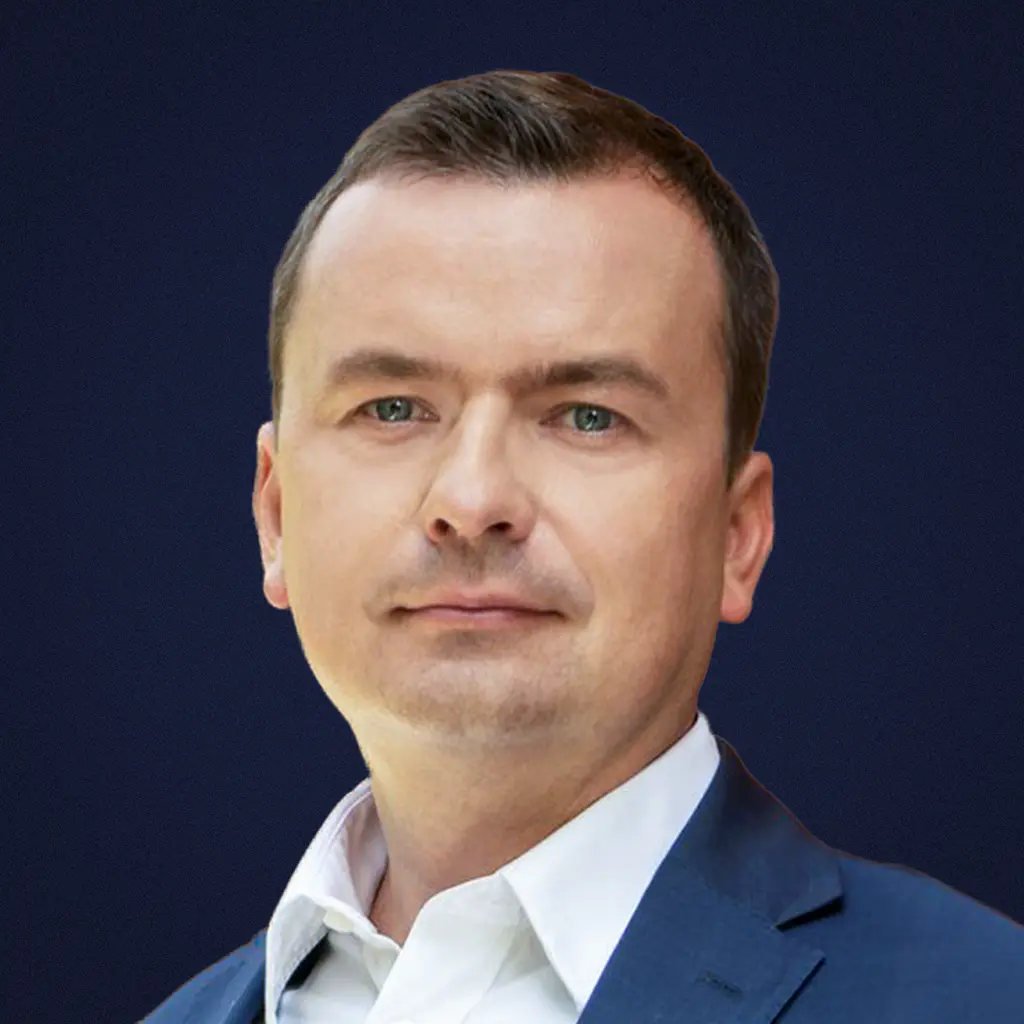
Krzysztof Kurowski, Ph.D., D.Sc.
Dr. Krzysztof Kurowski is a recognized computer scientist and Deputy Director at the Poznan Supercomputing and Networking Center (PSNC) affiliated with the Institute of Bioorganic Chemistry PAS. For over two decades, he has been involved in key national and international research projects. His scientific interests include optimization and job management in advanced computing systems, including hybrid architectures combining supercomputers with quantum technology. He actively supports the development of Open Science and EOSC initiatives.
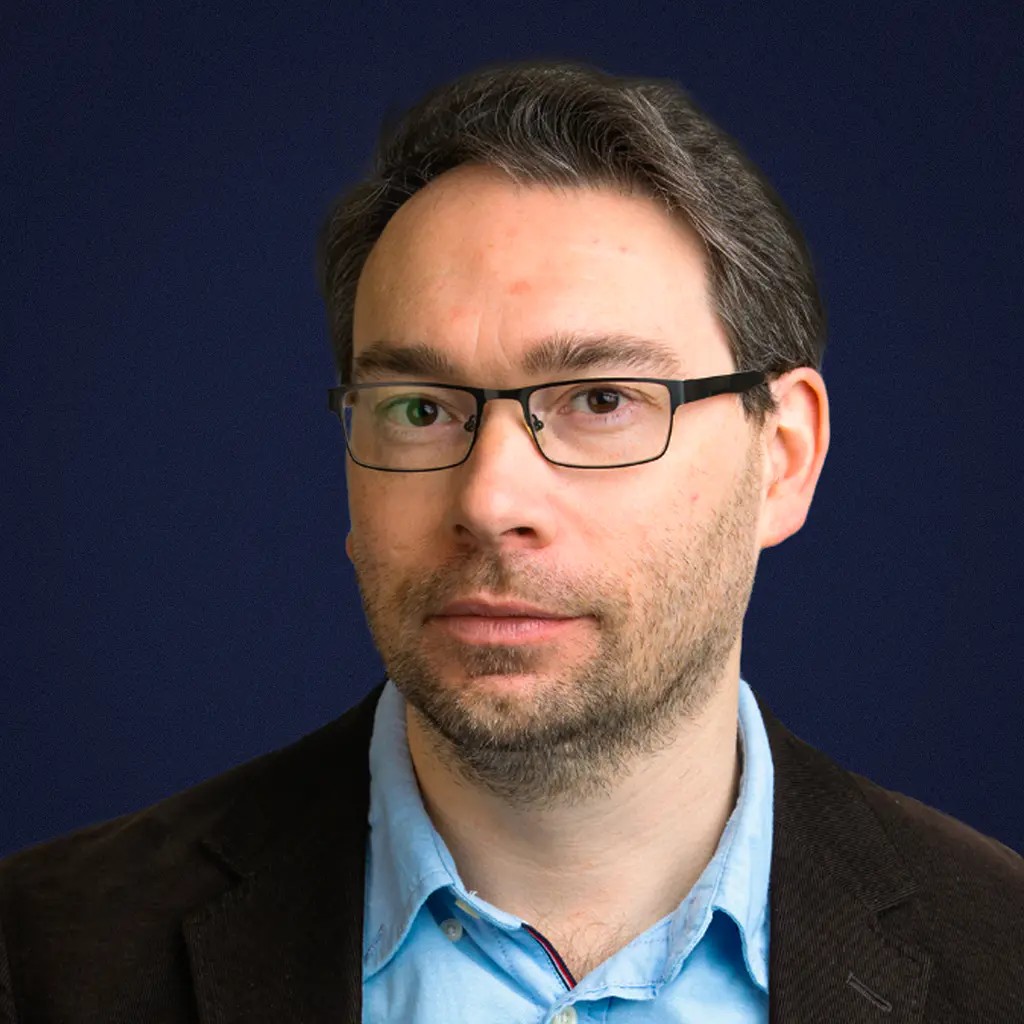
Prof. Julien Laurat
Prof. Julien Laurat is a professor at Sorbonne University and a researcher at the prestigious Laboratoire Kastler Brossel. His research focuses on quantum computing, the creation of light-matter interfaces, and the development of highly efficient quantum memories. He is a co-founder of the startup Welinq and actively supports the development of the European quantum internet (Quantum Internet Alliance). He is a Senior Member of the IUF, an ERC grant laureate, and a Fulbright scholar.
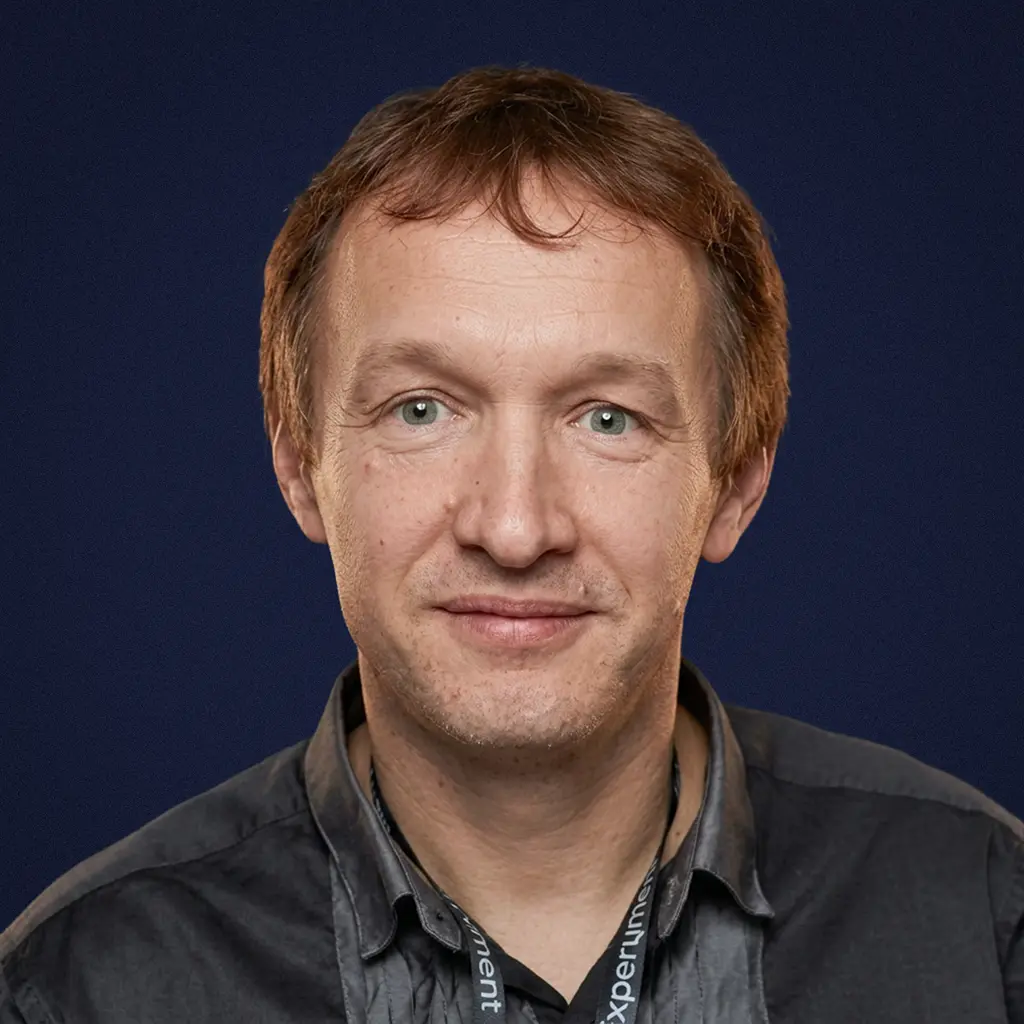
Prof. Tomasz Paterek
Prof. Tomasz Paterek is a recognized theoretical physicist from the University of Gdańsk, exploring the intersections of quantum mechanics with other scientific fields. He earned his PhD in quantum communication in Gdańsk and gained experience in Vienna and Singapore, where he led a research group at Nanyang Technological University for 7 years. He leads numerous international grants, is a laureate of the “Polish Returns” program, and a recipient of the unconventional Ig Nobel Prize in Biology.

Prof. Renato Renner
Prof. Renato Renner is a prominent theoretical physicist at ETH Zürich, where he heads the Research Group for Quantum Information Theory. His research covers quantum cryptography, thermodynamics, and the application of artificial intelligence in physics. After completing his PhD at ETH, he completed a postdoctoral fellowship at the University of Cambridge before returning as a full professor to his alma mater in 2015. He is the recipient of prestigious honors, including an ERC grant, the ETH Medal, and awards for outstanding teaching.
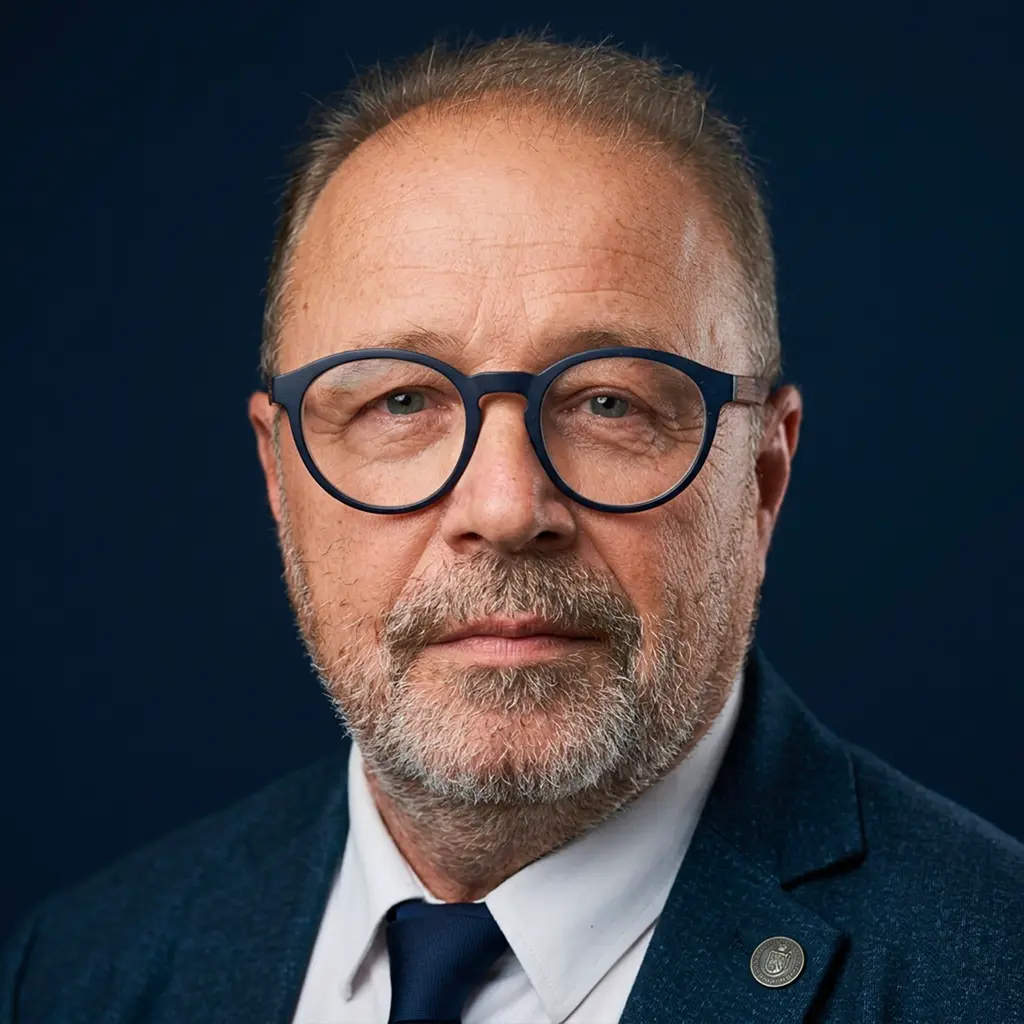
Prof. Wojciech Satuła
Prof. Wojciech Satuła combines his duties as Dean of the Faculty of Physics at the University of Warsaw with intensive work at the Institute of Theoretical Physics. As an expert in low-energy nuclear physics, he studies the properties of exotic nuclei and isospin symmetry-breaking phenomena, creating advanced computational models for them. His extensive scientific output includes over 200 publications, and his expertise is highly valued across numerous international research networks.

Andrew Thain, Ph.D.
Within Airbus Space Systems in Toulouse, Dr. Andrew Thain plays a key role as an expert in quantum communication and Space Quantum Key Distribution (QKD). His work focuses on designing high-throughput satellites that form the foundation of the secure European EuroQCI network. Before dedicating himself to quantum technologies, he developed engineering innovations and antenna systems. He regularly shares his expertise at international industry forums.
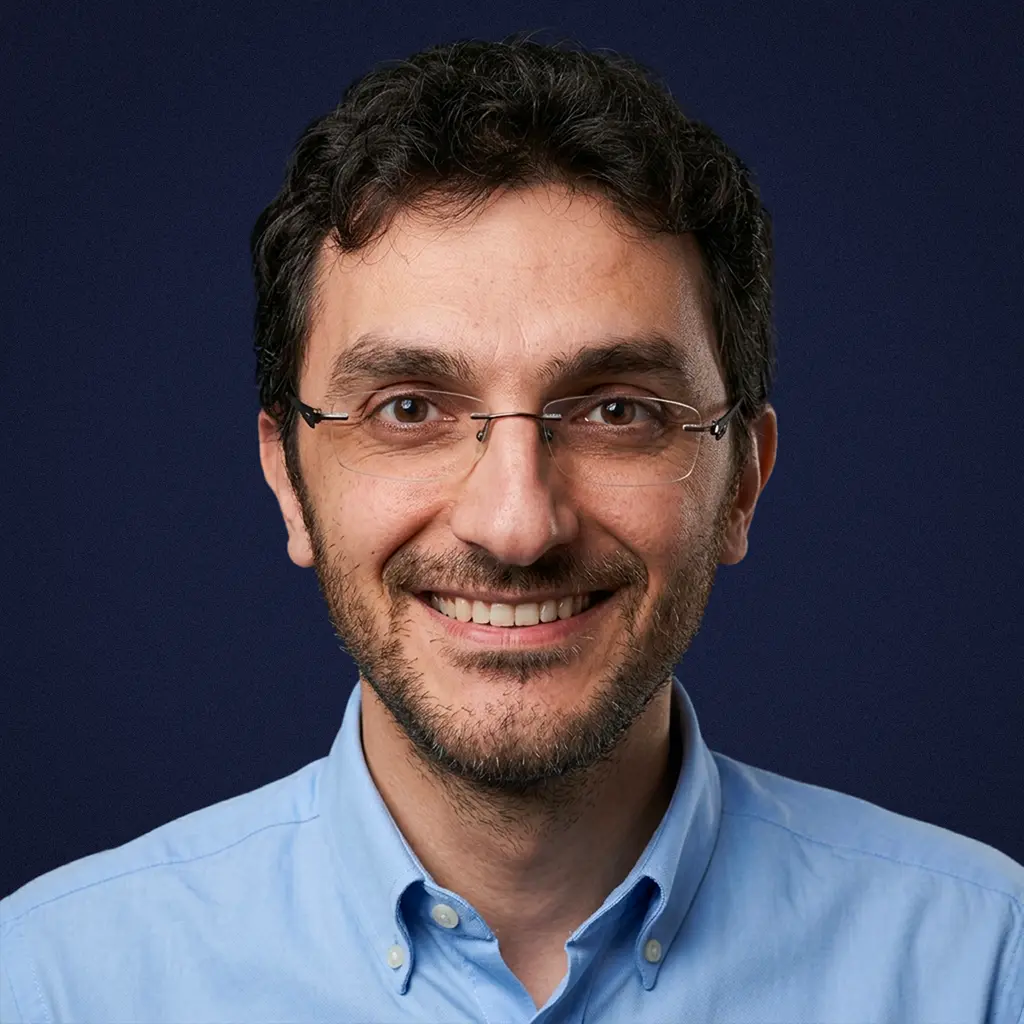
Prof. Giuseppe Vallone
Prof. Giuseppe Vallone has dedicated his entire scientific career to quantum optics and satellite technologies. As a Full Professor at the University of Padua, he coordinates European projects (QUANGO, QUDICE) and serves on the security board for EuroQCI. He successfully translates his innovative research on quantum communication into business—serving as the Chief Technology Officer (CTO) of the spin-off ThinkQuantum. His extensive portfolio includes numerous patents and over 130 scientific publications.
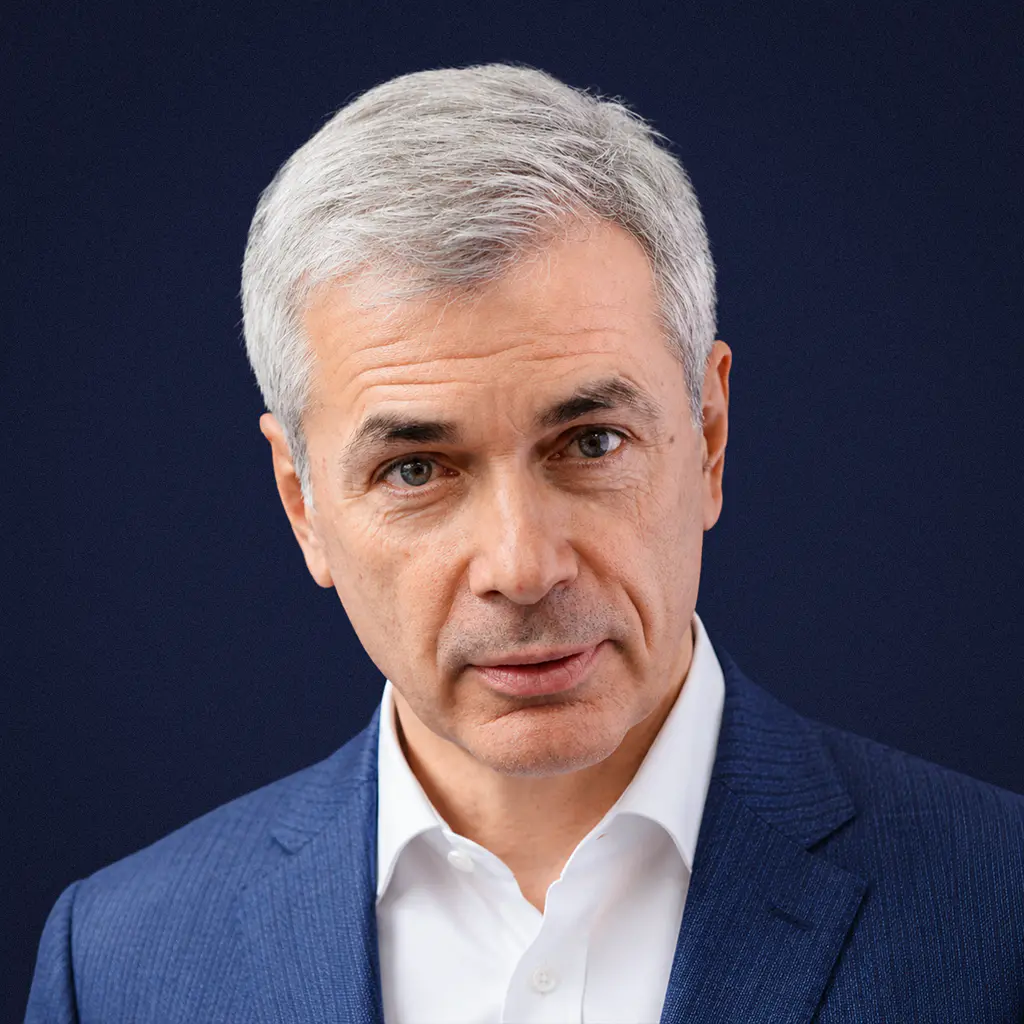
Prof. Paolo Villoresi
A pioneer of space quantum communication, Prof. Paolo Villoresi is a Full Professor of Experimental Physics at the University of Padua. Collaborating with Nobel laureate Anton Zeilinger, he executed the first-ever single-photon exchange between Earth and a satellite. He is currently the director of the QTech research center. He coordinates strategic projects for ESA and the Italian Space Agency, including the design of a quantum terminal for the ISS.
European Technological Sovereignty
QLAB is a project of international scope. We actively collaborate with industrial partners and leading academic institutions across Europe. As a result, our solutions are rapidly tested in real-world application environments. Our activities directly strengthen Poland’s position in key pan-European initiatives, such as EuroHPC JU, EuroQCI, and the Quantum Flagship, contributing to the construction of a technologically strong and independent Europe.